San Leonino
Fattoria di San Leonino has been making wine since the times in which the church which gave the estate its name and to which it belonged joined the Chianti League.
Piviere di San Leonino in Conio is cited in a range of documents, the oldest of which are dated 1043, 1076 and 1077. At the time it was part of the Fiesole diocese but, on the border between Florence, Siena and Volterra, it was always much contested. This led to this estate adjoining the hamlet and positioned strategically on a hill washed by the Staggia stream and the Gena irrigation channel flourished economically, as shown by the tithes paid between 1275 and 1300 - when the plebis Sancti Leonini paid extremely high taxes of 15 soldi and 8 denari with ease - confirming the profitability of these lands.
The outcome of long term territorial disputes between Florence and Siena was that the church became a definitive part of the Florentine state and one of the bulwarks of the Chianti League as the 1384 statute shows.
Founded on the initiative of the Florentine Republic, the Chianti League was initially a military organisation whose task was to govern the Chianti area and defend its borders. It was divided into the districts of Gaiole, Castellina and Radda and given its black cock emblem. Over the centuries it lost its defensive role to focus on agricultural development. Naturally, vineyard management was one of its main interests and general regulations on the correct production of "that good wine which sells so well" (as a document regulating the 1444 harvest reads) were drawn up.
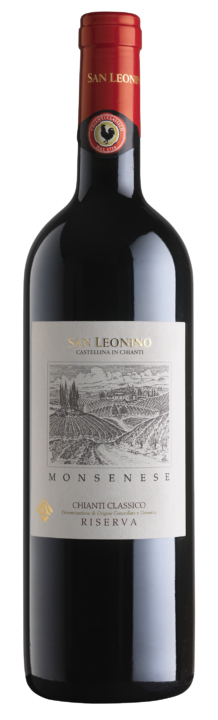
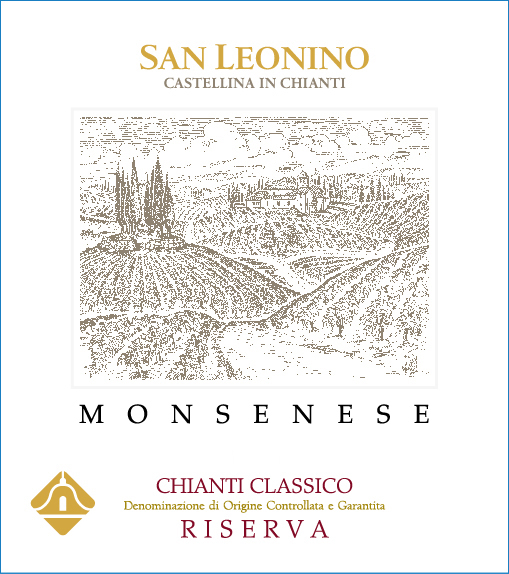
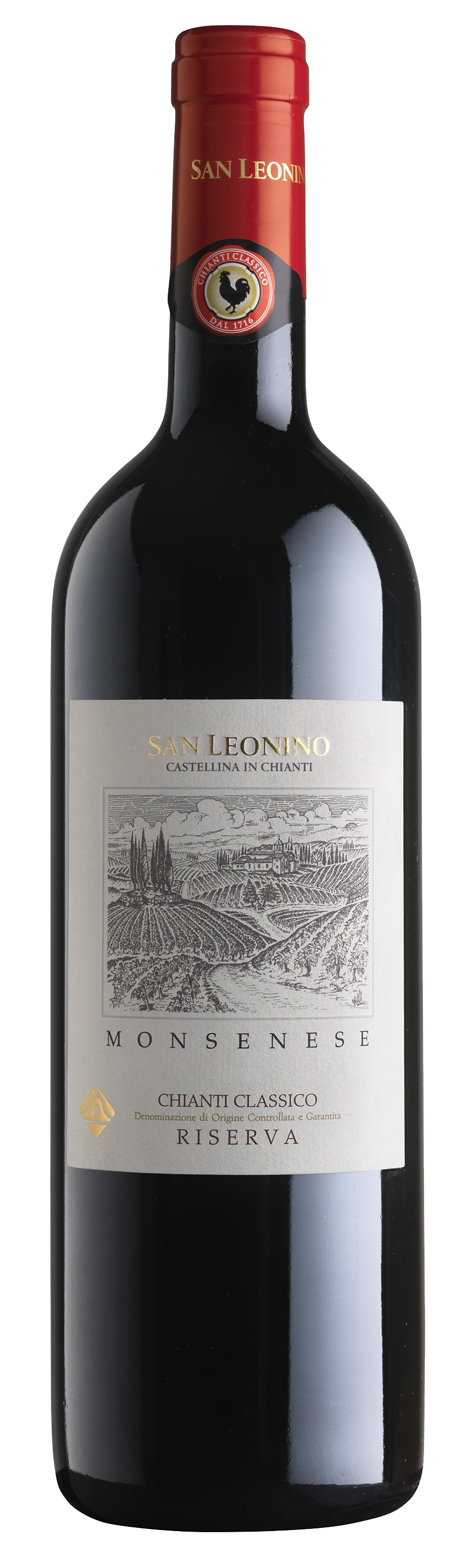
Monsenese Chianti Classico Riserva DOCG
100% Sangiovese
Blackberries and blackcurrants before opening out into greater complexity of flavors, ranging from leather to liquorice.
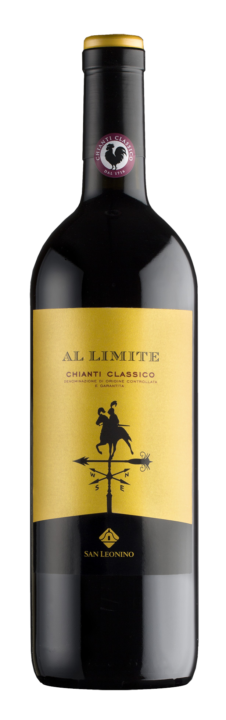
Al Limite Chianti Classico DOCG
100% Sangiovese
Warm, silky palate, packed with tasting tension and tangy.
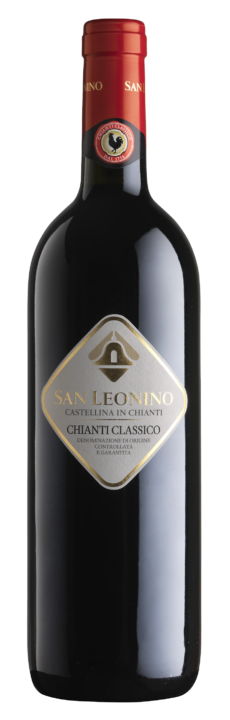
Chianti Classico DOCG
100% Sangiovese
Silky texture of the tannin is followed by floral and fruity notes to the nose.
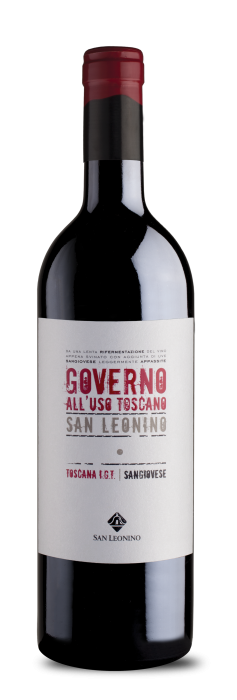
Governo All’Uso Toscano IGT
100% Sangiovese
Cassis, cherry, licorice, cedar and spiced oak dominate on both the nose and palate.